
The Swiss Army Knife for All Your Creative Needs ®
☰

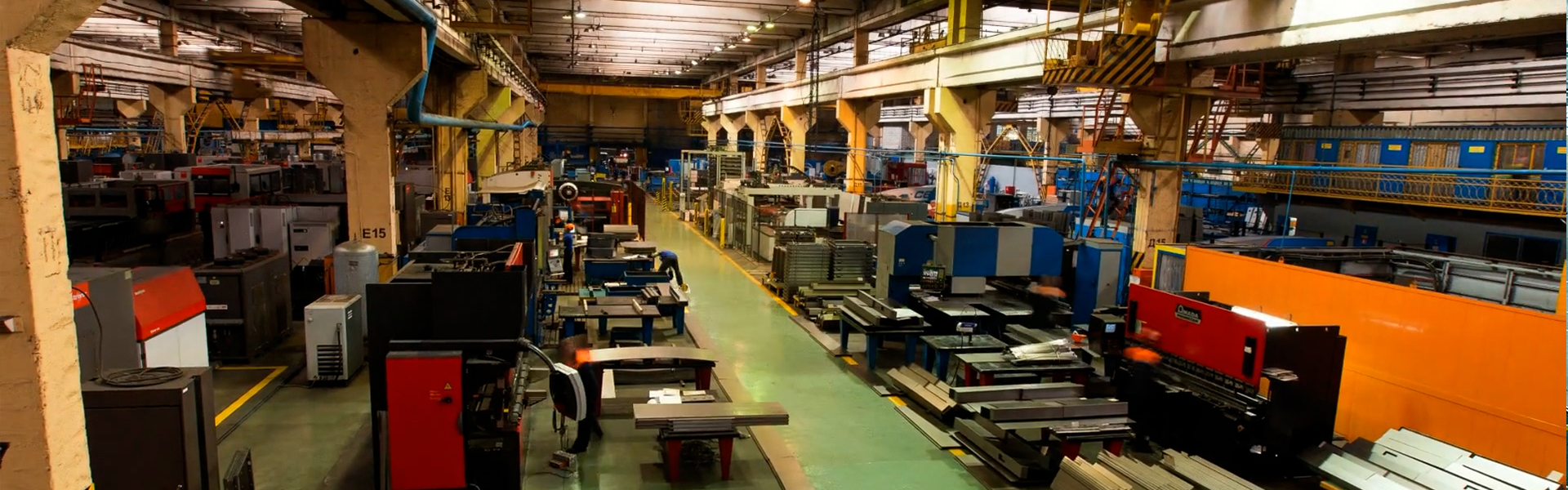
In manufacturing, engineering, industrial automation, EPC, fire protection, and infrastructure sectors, buying decisions are increasingly influenced long before a sales meeting occurs.
Prospective clients often evaluate suppliers through websites, case studies, factory visuals, project documentation, and technical videos before requesting a proposal. Industrial videography has therefore evolved beyond branding. It now serves as a powerful trust-building and decision-support tool.
A professionally produced industrial video can demonstrate operational capability, engineering expertise, production infrastructure, safety culture, and project execution standards in a way that brochures and presentations simply cannot.
Procurement teams, consultants, project managers, and engineering stakeholders are under pressure to minimize risk. Before engaging a supplier, they seek evidence that the company can reliably deliver.
Industrial videography provides that evidence by showcasing:
• Manufacturing facilities and infrastructure
• Production processes and quality controls
• Engineering capabilities and technical expertise
• Safety procedures and compliance culture
• Previous projects and execution standards
Instead of relying solely on claims, buyers gain confidence through visual validation.
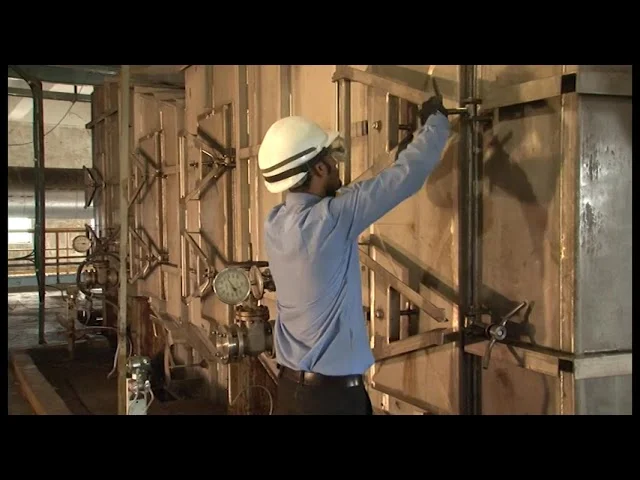
Many industrial purchases involve significant investments, technical complexity, compliance requirements, and long-term service commitments.
When buyers evaluate multiple suppliers, they naturally gravitate toward organizations that appear experienced, organized, and operationally mature.
Industrial video production helps communicate these qualities quickly and effectively, reducing uncertainty and strengthening trust before formal discussions begin.

Successful industrial videos are not merely cinematic factory tours. They are structured around decision-making criteria that matter to industrial buyers.
Effective videos typically highlight:
• Real manufacturing environments
• Engineering processes and workflows
• Product testing and quality assurance
• Installation and commissioning activities
• Safety systems and compliance practices
• Scale of operations and production capability
These elements help viewers understand not only what a company does, but how reliably it does it.
Many companies invest in industrial video production solely for websites or exhibitions. However, the greatest value often comes during the sales cycle itself.
Industrial videos can support:
• Tender presentations
• Technical evaluations
• Consultant approvals
• Investor meetings
• Project proposals
• Distributor onboarding
By answering common questions visually, videos reduce repetitive explanations and accelerate stakeholder confidence.

Industrial video production is widely used across manufacturing, engineering, infrastructure, automation, fire protection, logistics, process industries, and EPC sectors.
Whether the objective is generating leads, strengthening corporate credibility, supporting tender submissions, or educating technical stakeholders, industrial videography provides a scalable communication asset that continues working long after production is complete. Here are some case studies.




Creating an effective industrial video requires far more than cameras, drones, and editing software.
The strongest industrial films combine engineering understanding, buyer psychology, business positioning, and strategic storytelling. Every visual, interview, process shot, and project sequence should reinforce credibility and reduce buyer uncertainty.
When executed correctly, industrial videography becomes more than content. It becomes a business development asset that attracts prospects, builds trust, and supports procurement decisions throughout the buyer journey.
Q. What is industrial videography?
A. Industrial videography is the process of creating professional videos for manufacturing plants, engineering companies, factories, infrastructure projects, and industrial businesses. These videos showcase operations, processes, products, facilities, safety practices, and technical capabilities.
Q. What is industrial video shooting used for?
A. Industrial video shooting is used for factory walkthroughs, manufacturing process documentation, safety training, corporate films, product demonstrations, engineering communication videos, investor presentations, and trade show marketing.
Q. Why do manufacturing companies need industrial videos?
A. Manufacturing companies use industrial videos to demonstrate production capabilities, showcase infrastructure, build credibility with buyers, support sales presentations, and provide visual proof of their engineering expertise.
Q. How can industrial videos help generate B2B leads?
A. Industrial videos help generate B2B leads by improving website engagement, increasing search visibility, building trust with prospective clients, and communicating complex technical capabilities more effectively than text alone.
Q. What industries benefit from industrial videography?
A. Industrial videography is widely used by manufacturing companies, engineering firms, EPC contractors, automation companies, logistics providers, infrastructure developers, fire protection companies, and process industries.
Q. How long should an industrial corporate video be?
A. Most industrial corporate videos are between 2 and 8 minutes long, depending on the objective. Shorter videos work well for marketing and social media, while longer videos are suitable for technical presentations and corporate communication.
Q. What is the difference between industrial videography and corporate videography?
A. Corporate videography focuses on brand communication, leadership messaging, and company overviews, while industrial videography emphasizes manufacturing processes, engineering operations, factory infrastructure, technical capabilities, and project execution.
Q. Can industrial videos be used in tender presentations?
A. Yes. Industrial videos are often used in tender presentations and technical evaluations to showcase facilities, production capabilities, project experience, quality systems, and operational standards to procurement teams and consultants.
Q. What makes an effective industrial video?
A. An effective industrial video combines strong visuals with clear business objectives. It should highlight manufacturing processes, engineering expertise, quality controls, safety practices, project execution capabilities, and measurable outcomes relevant to potential clients.
Q. Can industrial videography improve SEO?
A. Yes. Industrial videos can improve SEO by increasing visitor engagement, reducing bounce rates, supporting keyword-rich content, generating video search visibility, and helping websites rank for industry-specific search terms.
Q. What should be shown in a factory video?
A. A factory video should showcase production lines, machinery, manufacturing processes, quality assurance procedures, safety measures, workforce expertise, infrastructure, and operational capabilities that demonstrate reliability and scale.
Q. Are drone shots useful in industrial videography?
A. Drone footage can effectively showcase plant size, infrastructure, logistics operations, project sites, and manufacturing campuses. Aerial visuals help communicate scale and operational capability more clearly than ground-level footage alone.
WhatsApp Message